Best family camping tents for car camping

Coleman Skydome Dark Room 4/6/8/10 Person Camping Tent with Rainfly
$179.95The Skydome Dark Room line sells well for a reason: the WeatherTec floor and inverted seams keep water out, the near-vertical wall design adds real usable space over a classic dome, and the dark room fabric means a sleeping toddler is not up at first light. It sets up in under 5 minutes with pre-attached poles, which matters more than any spec sheet after a long drive to the campsite.
Check price on AmazonSpecsNot sure what size you need? Run the How big a tent do I need first, then come back to the picks.
Beginner, intermediate and expert picks
Beginner: Best first family tent
For A family trying out car camping tents for the first time and not ready to spend big before they know if they like it.- Beginner pick
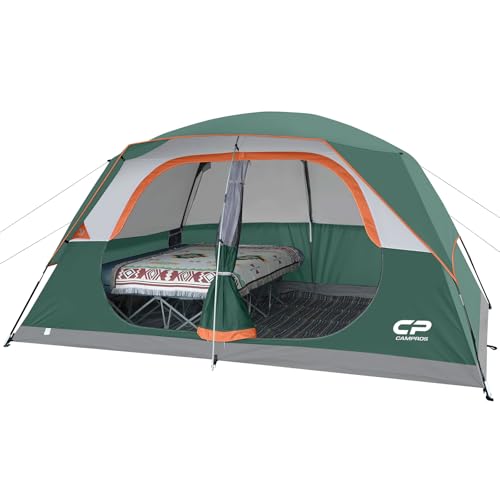 CAMPROS CP Tent 8 Person Camping Tents$149.99Check priceSpec sheet
The CAMPROS CP 8 Person sets up in about 5 minutes with pre-attached poles, uses a 1000mm waterproof-rated fabric with taped seams, and has a full mesh roof for airflow on warm nights. The extra-wide door makes it easy to carry an air mattress or cooler through without wrestling the zipper, and at under $150 it is a reasonable way to find out whether your family actually wants to keep doing this.
Skip it if: Families who already know they will camp in shoulder-season cold or frequent rain and want a tent rated for it from day one.
Intermediate: Buy once
For families who camp several times a season and want a tent they are not replacing next year.- Intermediate pickColeman Skydome Dark Room 4/6/8/10 Person Camping Tent with Rainfly$179.95Check priceSpec sheet
This is the topPick and for most families it is also the right buy-once choice. Dark room fabric, a tested 35 mph wind rating, and a wider door for gear all add up to a tent that handles a normal three-season camping schedule without drama, and the Skydome name means replacement parts and rainflies are easy to find years later.
Skip it if: Solo campers, couples, or anyone who does not need 8 to 10 person floor space for two adults and two kids.
Expert: Performance ceiling
For families who camp across three seasons, including cold and wet weekends, and want a tent that is still standing in ten years.- Expert pick
 Kodiak Canvas Flex-Bow Canvas Tent Deluxe 10x14 ft (8-Person)$799.99Check priceSpec sheet
The Kodiak Canvas 10x14 ft Flex-Bow Deluxe is cotton duck canvas, not polyester: it breathes better in heat, resists condensation, and the Flex-Bow steel frame is genuinely one-person setup despite the tent's size. A 6 foot 6 inch ceiling means the whole family can stand up at once, and the fabric itself is the kind that gets handed down rather than replaced.
Skip it if: Families who camp once or twice a year. At this price the canvas premium only pays off with heavy, repeated use.
| Product | Price | Key spec | Best for |
|---|---|---|---|
| CAMPROS CP 8 Person | $149.99 | 1000mm coating, 5 minute setup | First-time buyers |
| Coleman Skydome Dark Room 4/6/8/10 | $179.95 | Blocks 90% of sunlight | Most families |
| Coleman Skydome Full-Fly Vestibule | $189.99 | Weather vestibule for gear | Rainy climates |
| Portal 8 Person Screen Porch | $159.99 | 76 in center height, screen room | Bug-heavy campgrounds |
| Kodiak Canvas 10x14 (8-Person) | $799.99 | Cotton duck canvas, 6'6" ceiling | Frequent, all-season campers |
What size tent does a family of four actually need?
Manufacturers rate tent capacity at roughly 16 square feet of floor per person, so a Coleman Sundome 4-person at 9 by 7 feet (63 square feet) is technically rated for four sleeping bags shoulder to shoulder. Comfortable car camping is a different math: with pads, a cot, or a queen air mattress in the mix, plan on closer to 30 square feet per adult. The working rule most family campers land on is to size up by two: a family of four buys a 6-person tent, and if you are bringing cots or a queen air bed, go to an 8-person. Run your own numbers with the tent size calculator before you buy.
Standing room matters as much as floor space. A peak height of about 6 feet 4 inches or more lets most adults stand fully upright; classic dome tents often top out at 4 feet 6 inches to 5 feet at the center, while cabin-style and instant tents with vertical walls typically run 6 to 7 feet. If anyone in the family is over 5'10", read the center height line on the listing before the floor dimensions.
Dome, cabin, or instant: which build fits a family best?
A traditional dome tent has sloped walls that shrink usable space near the edges, which is fine for a couple but cramped once you add kids and gear. Cabin-style and instant tents use straighter, more vertical walls, so the quoted floor square footage is closer to what you actually get to stand and move in. The tradeoff is usually weight and pack size: a cabin tent packs bulkier than a dome of the same capacity, which matters if trunk space is already tight.
Instant and pop-up tents trade a small amount of weather sealing for setup speed, which is a real advantage with tired kids and fading daylight. See our instant vs dome tent comparison for the tradeoffs in more detail, and our dedicated best instant tents roundup if setup speed is the priority.
Is a dark room rainfly worth the extra cost?
Dark room and blackout fabrics block roughly 90 percent of sunlight through the tent walls, which mostly matters for two things: keeping younger kids asleep past sunrise, and cutting daytime heat buildup inside the tent when you're not there. The downside is a slightly darker interior during the day, which some campers find disorienting until they get used to it. For most families with young kids, the tradeoff is worth the extra $20 to $50 it typically adds to a comparable tent.
How much should a family plan to spend on a tent?
A serviceable 8-person family tent runs $120 to $200 and will handle a normal three-season camping schedule for several years if it is packed dry and stored clean. Canvas tents start around $450 and run past $900, but they are a different category: heavier, bulkier, and built for people who camp often enough that the per-trip cost comes out lower than replacing a polyester tent every few seasons. Screen porches, room dividers, and full-fly vestibules each add $10 to $40 and are worth it only if you'll actually use the feature; a screen porch is genuinely useful at a buggy lakeside site and dead weight at a windy one.
What actually keeps a family tent dry in real rain?
Look for a tub-style floor (the waterproof fabric wraps up several inches at the base of the walls, so seams sit above ground level rather than at it), taped or welded seams, and a rainfly that extends past the tent body rather than sitting flush with it. A waterproof rating on the fabric alone doesn't help if water can pool at an untaped seam or a low door zipper. None of the tents in this roundup were tested in a storm by us; the ratings and seam construction above come from each manufacturer's own published specs.
- Pitch on the highest, flattest ground available, not the prettiest spot
- Stake out the rainfly fully, even if the forecast looks clear
- Use a footprint or tarp cut slightly smaller than the tent floor so rain doesn't pool underneath it
How we chose
These picks come from published manufacturer specs, listed floor and peak height dimensions, fabric waterproof ratings, and verified owner reviews on Amazon, not from us pitching every tent in a field. Nothing here was tested in person; where a listing's title covers several sizes under one product page, we only stated a specific dimension or capacity when the parsed floor measurements confirmed it.
This is researched buying guidance, not professional camping or safety advice. Always check current weather and your specific campground's rules before you head out.
Buying tips
Should I buy based on the person rating on the box?
Treat the person rating as a sleeping-bags-only maximum, not a comfort number. If you're bringing cots, an air mattress, or a dog, size up at least one capacity tier from what the label suggests for your family size.
Is a vestibule or screen porch worth paying extra for?
A vestibule earns its keep at a rainy or dewy site, giving you a dry spot to leave muddy shoes and a cooler. A screen porch is more of a daytime lounge feature; skip it if you mostly camp at breezy, low-bug sites.
How much does a family tent actually weigh, and does it matter for car camping?
For drive-up sites, weight matters less than pack size: a 20 to 30 pound tent is normal for an 8-person family tent, and the question is whether the packed bag fits your trunk alongside a cooler, chairs, and sleeping gear. Check our cargo fit calculator before buying if trunk space is tight.
Do I need a footprint under a family tent?
A footprint or tarp extends the life of the floor fabric by taking the abrasion from rocks and roots, and it can add a layer of protection against ground moisture. It's a $15 to $25 add-on that's worth it for a tent you plan to keep for several seasons.
Also worth considering
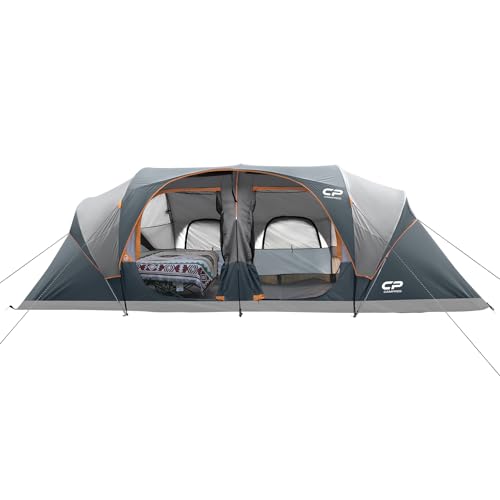 CAMPROS CP 12 Person Camping Tent$229.98Check priceSpec sheet
 Coleman Skydome 4/6 Person Camping Tent with Full-Fly Weather$189.99Check priceSpec sheet
 Portal 8 Person Family Camping Tent with Screen Porch$159.99Check priceSpec sheet
 BravArrk Camping Tent for 8 Person$119.99Check priceSpec sheet
 Kodiak Canvas Flex-Bow Canvas Tent Deluxe 10x10 ft (6-Person)$699.99Check priceSpec sheet
Keep planning
Frequently asked questions
What size tent do I need for a family of four?
Most families of four are comfortable in a 6-person tent if using sleeping bags on pads, or an 8-person tent if bringing a cot or queen air mattress. Manufacturers rate capacity at about 16 square feet per person, but comfortable car camping needs closer to 30 square feet per adult, so sizing up from the label is standard practice, not overkill.
Is a 6 person tent big enough for 2 adults and 2 kids?
Yes, for sleeping bags on pads a 6-person tent (roughly 90 to 100 square feet) fits two adults and two kids with some room for bags and a lantern. If you're adding a cot, a queen air mattress, or a dog bed, an 8-person tent gives more breathing room without feeling like you're living on top of your gear.
Do family tents need a footprint?
A footprint is not required but it protects the tent floor from rocks, roots, and ground moisture, extending the life of the fabric. For a tent you plan to use for several seasons, a $15 to $25 footprint or cut tarp is a cheap way to protect a $150 to $800 investment.
How long do family car camping tents actually last?
A polyester dome or cabin tent used a handful of weekends a year and stored dry typically lasts 5 to 8 years before zippers or waterproofing start to fail. Cotton canvas tents like Kodiak's Flex-Bow line are built for a decade or more of seasonal use, which is why they cost several times as much upfront.
What is dark room technology and is it worth it?
Dark room or blackout fabric blocks roughly 90 percent of sunlight through the tent walls, keeping the interior cooler during the day and darker for sleeping past sunrise. It typically adds $20 to $50 to a comparable tent and is especially useful for families with young kids who wake with first light.
Can a family tent handle wind and heavy rain?
Most family tents in the $150 to $250 range are rated for winds around 35 mph and have taped or welded seams for rain, based on manufacturer testing. Canvas tents with steel frames handle sustained wind and snow load better. In any tent, a fully staked rainfly and a flat, well-drained pitch site matter as much as the fabric spec.
Get the car camping checklist
One printable page: the full packing checklist plus our three complete setups with current prices. No sales sequence.
Used only to send the list. You can also read every setup free on this site.Researched guidance, not professional advice. Figures are published specifications or clearly labelled conventions; check your own gear's manual and your campground's rules.