Camping in the rain

Coleman Skydome 4/6 Person Camping Tent with Full-Fly Weather
$189.99The Coleman Skydome with Full-Fly Weather Vestibule ($189.99) extends its rainfly out over the door, creating a dry covered space to store wet boots and gear without bringing them inside the sleeping area.
Check price on AmazonSpecsDoes your tent's rainfly actually cover enough?
A full-coverage rainfly extends all the way to the ground on all sides and ideally out over the door as a small vestibule, rather than stopping partway down the tent walls. A partial rainfly is fine in light rain but lets wind-driven rain reach the tent fabric directly in a real storm, where a full-fly design keeps the actual tent body dry underneath it.
The Coleman Skydome with Full-Fly Weather Vestibule ($189.99) is built with this extended coverage, giving a dry spot just outside the door for wet shoes and rain jackets so they are not tracked into the sleeping area.
How do you keep the tent floor dry from underneath?
A groundsheet or tent footprint placed under the tent, cut slightly smaller than the tent's own floor so it does not stick out and channel water underneath, stops ground moisture from wicking up through the tent floor during a sustained rain. Without one, prolonged rain and standing water at the site edges can eventually seep through even a decent tent floor.
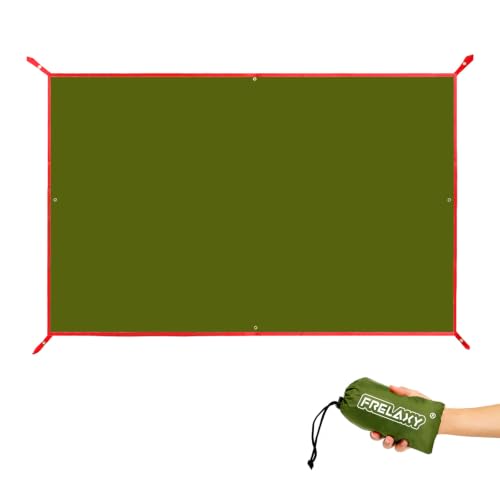
The Frelaxy Tent Footprint ($15.99) is sized for smaller tent floors and does this job directly. If you already own a general-purpose tarp, the Amazon Basics Waterproof Multipurpose Camping Tarp ($13.98) works as a groundsheet too, folded to size and tucked fully under the tent's edges.
How do you set up a dry space to cook and sit in the rain?
Rig a tarp over your cooking and sitting area, strung between trees or trekking poles at an angle so water runs off to one side rather than pooling in the middle. This gives your group somewhere to be other than crammed inside the tent for the whole day, which matters a great deal on a multi-day trip if the rain does not let up.
Keep the stove under the tarp but not directly beneath the highest point where fumes could collect, and make sure the tarp setup still allows airflow around the stove. A tarp shelter is for staying dry, not for enclosing a cooking area the way a wall would.
Gear this guide recommends

How do you deal with condensation when it is raining and you cannot vent normally?
Keep the tent's vents open even in rain; most tent vents are designed with a small hood or flap that sheds rain while still allowing airflow, and closing them fully to keep out rain usually makes condensation worse, not better, since trapped moist air from breathing and body heat has nowhere to go.
Wipe down the inside of the rainfly in the morning if condensation has collected overnight, rather than letting it drip onto gear below. A small camp towel kept just for this job saves you from packing away a soaked tent interior.
What do you pack differently for a rainy trip?
Pack an extra dry bag or a couple of large trash bags for wet clothing and gear separate from dry items, since a single wet jacket in the same bag as everything else will dampen all of it by the end of the trip. Bring one extra full set of dry clothes beyond what you would normally pack, kept sealed and untouched until you actually need it.
A battery-powered lantern or headlamp with fresh batteries matters more on a rainy trip, since overcast, rainy days are darker for longer and everyone tends to spend more time inside the tent reading or waiting out the weather.
Where should you set up camp to avoid a flooded tent?
Choose a slightly elevated spot over a low, flat area, even a small rise of a few inches makes a real difference in whether water pools under your tent during heavy rain. Avoid setting up in a natural drainage channel, a dip between two higher points, even if it looks dry when you arrive, since it can fill quickly once rain starts.
See our campsite setup layout guide for how to read a site's drainage before you pitch, including which side to face the tent door relative to prevailing wind and rain.
Keep planning
Frequently asked questions
How do you keep a tent dry when it rains all night?
Use a full-coverage rainfly that extends to the ground on all sides, a groundsheet or footprint under the tent floor, and pitch on slightly elevated ground rather than a low spot. Keep vents open even in rain, since most are designed to shed water while still allowing airflow, and closing them fully tends to trap moisture and worsen condensation instead.
What tarp size do you need for a rain shelter over a campsite?
Size the tarp to cover your cooking and sitting area with margin, typically at least 10 by 10 feet for a small group's table and chairs. Rig it at an angle so water sheds to one side rather than pooling in the center, and leave enough clearance underneath for a stove's fumes to disperse rather than collect.
Why does a tent get condensation inside when it rains?
Condensation forms when warm, moist air from breathing and body heat meets the cooler rainfly or tent walls and cannot escape through closed vents. Rain does not directly cause condensation; poor ventilation during rain does, since people tend to seal vents fully to keep water out, which traps moisture instead of just blocking rain.
Should you camp in a low spot to avoid wind during rain?
No. A low spot may block some wind but collects standing water fastest during heavy rain, since water naturally drains toward the lowest point at a site. A slightly elevated spot with some wind protection from trees or terrain is a better balance than the lowest, most sheltered-looking spot at a campsite.
Get the car camping checklist
One printable page: the full packing checklist plus our three complete setups with current prices. No sales sequence.
Used only to send the list. You can also read every setup free on this site.Researched guidance, not professional advice. Figures are published specifications or clearly labelled conventions; check your own gear's manual and your campground's rules.