Carbon monoxide camping safety
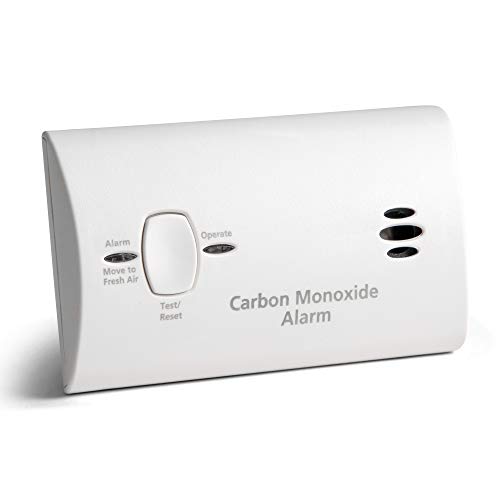
Kidde Carbon Monoxide Detector
$19.89The Kidde Carbon Monoxide Detector ($19.89) runs on AA batteries with no outlet needed, which matters at a campsite where there is no wall power, and it is small enough to pack in a tent's gear pocket without taking up real space.
Check price on AmazonSpecsWhy is carbon monoxide dangerous specifically while camping?
Carbon monoxide is a gas produced whenever fuel burns without complete combustion, and it has no smell, no color, and no taste, so there is no natural warning sign before it reaches a dangerous level. At home, most people have a wired or plug-in detector; at a campsite, that protection does not exist unless you bring a battery-powered one yourself, which is why camping carries real, avoidable risk that home life mostly does not.
Tents and closed cars are both enclosed spaces with limited air exchange, which is exactly the condition carbon monoxide needs to accumulate to dangerous levels quickly. A tent's fabric is not airtight the way a car is, but a stove running inside a tent, even with the door partly open, can still build up a dangerous concentration faster than people expect.
What actually produces carbon monoxide at a campsite?
Any device that burns propane, butane, charcoal, wood, or gasoline produces carbon monoxide as a byproduct, including camp stoves, portable heaters, charcoal grills, portable generators, and a car's own engine. This is true regardless of how small or how briefly the device runs; a single-burner butane stove produces carbon monoxide just as a large propane heater does, only in a smaller total quantity.
The common thread across every real camping carbon monoxide incident is running one of these devices in an enclosed or partially enclosed space, a tent, a car, a vestibule with the flaps zipped, rather than fully in the open. Outdoors, in open air, the gas disperses quickly enough that it does not build up to dangerous levels under normal conditions.
What are the symptoms of carbon monoxide exposure?
Early symptoms include headache, dizziness, nausea, fatigue, and confusion, which are easy to mistake for a normal reaction to a long travel day, dehydration, or simple exhaustion at the end of a camping day. This overlap with ordinary tiredness is part of why carbon monoxide exposure while camping is dangerous: people do not always recognize what is happening until symptoms are already significant.
Because symptoms can include confusion and drowsiness, a person experiencing exposure may not act to remove themselves from the danger, and someone else asleep nearby in the same enclosed space is exposed to the same air. This is general safety information, not medical advice; if you suspect carbon monoxide exposure at any point, get to fresh air immediately and seek medical attention.
Gear this guide recommends

What are the absolute rules for avoiding carbon monoxide while camping?
Never run a fuel-burning stove, heater, grill, or generator inside a tent, a vestibule with the flaps zipped, or a closed car, for any amount of time and regardless of weather. This applies even to devices marketed as low-output, indoor-safe, or camping-specific; the rule is about the enclosed space, not the specific device burning inside it.
Never idle a car engine for heat or air conditioning while anyone is asleep inside it with the windows up. If you need brief warmth from the car, run it only while someone stays awake and alert, with a window cracked, and turn it off well before anyone falls asleep, rather than leaving it running through the night.
- No stoves, heaters, or grills inside a tent, ever
- No stoves or heaters in a zipped vestibule, ever
- No charcoal grills brought into any enclosed space, including after visible flames are out
- No car engine idling for heat while anyone is asleep inside
- No generators run inside or directly against a tent or vehicle
Do you need a carbon monoxide detector while camping?
A battery-powered portable detector is worthwhile insurance even for campers who reliably follow the rules above, since it catches the scenario nobody plans for: a stove left running longer than intended, a tent more sealed than expected on a windy night, or a neighboring campsite's exhaust drifting toward yours in still air.
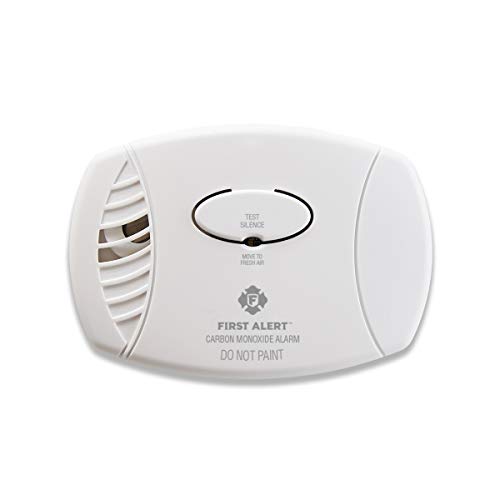
The Kidde Carbon Monoxide Detector ($19.89) and the First Alert Battery Carbon Monoxide Alarm ($21.95) both run on standard batteries with no outlet required. The TOPTES CT-580 Portable Carbon Monoxide Detector ($65.99) adds a vibration alert, which is worth the extra cost for anyone who sleeps through sound alarms easily or camps with hearing-impaired family members.
Keep planning
Frequently asked questions
Should you use a carbon monoxide detector while camping?
Yes, a battery-powered portable detector is inexpensive insurance on top of following the core rule of never burning fuel in an enclosed space. It will not replace good judgment about where you run a stove, but it adds a backup layer in case a device is left running longer than intended or a tent is more sealed than expected on a cold, windy night.
Can you run a camp stove in a tent vestibule?
No. A vestibule with the flaps even partly zipped is still an enclosed space where carbon monoxide can accumulate, and wind or weather is not a reason to move a stove closer to the tent. Cook fully outside the tent, under a separate tarp or awning if you need weather protection, positioned with airflow around the stove.
Is it safe to run the car engine for heat while sleeping inside it?
No, never fall asleep with the engine running for heat or air conditioning while inside a closed car. A car's exhaust system can develop small leaks that are not obvious from outside, and even a fully sealed system produces exhaust that can be drawn back into the cabin depending on wind direction and how the car is parked.
Do charcoal grills produce carbon monoxide?
Yes, charcoal burning produces carbon monoxide the same as propane or butane does, and charcoal grills continue producing it even after the visible flame is gone, while the coals are still hot and smoldering. Never bring a charcoal grill, lit or recently used, into a tent, a garage, or any enclosed space, including overnight after cooking is finished.
What should you do if you suspect carbon monoxide exposure while camping?
Get everyone into fresh, open air immediately, away from the tent or car, and do not go back inside to retrieve belongings until the space has been ventilated and any fuel-burning device has been fully shut off. Seek medical attention if anyone is experiencing symptoms like headache, dizziness, nausea, or confusion. This is safety information, not medical advice.
Get the car camping checklist
One printable page: the full packing checklist plus our three complete setups with current prices. No sales sequence.
Used only to send the list. You can also read every setup free on this site.Researched guidance, not professional advice. Figures are published specifications or clearly labelled conventions; check your own gear's manual and your campground's rules.